Everything You Need to Know About Waterproof Wooden Flooring in India
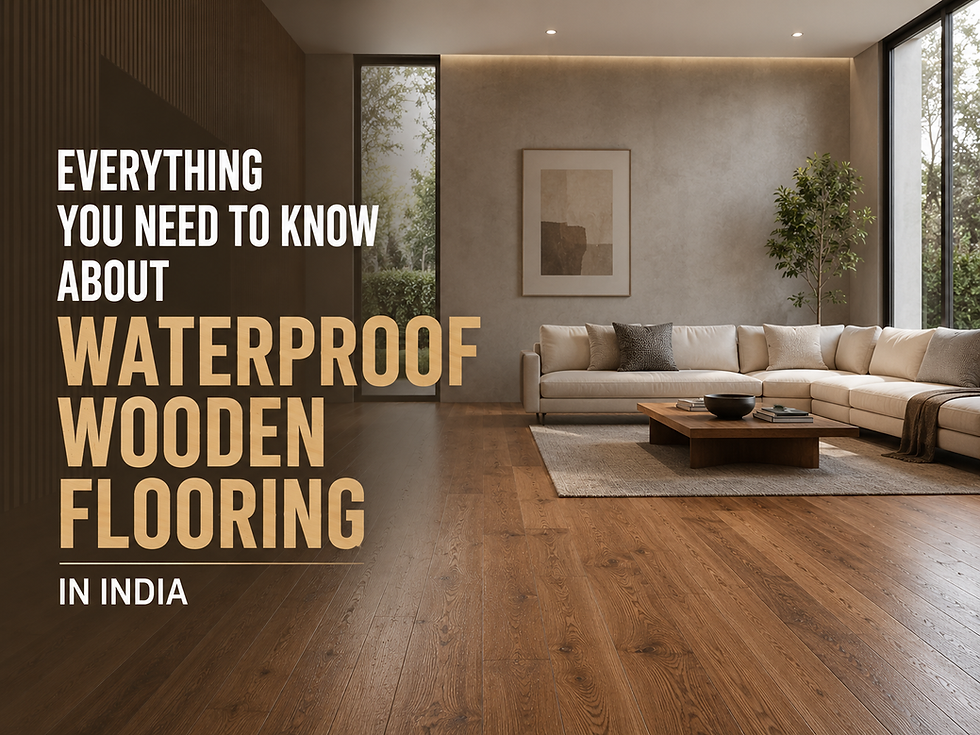
Wooden flooring has always been admired for its timeless elegance, natural warmth, and ability to transform ordinary interiors into sophisticated living and working spaces. Yet, despite its popularity, one concern continues to influence buying decisions across the country—water. From prolonged monsoon seasons and high coastal humidity to accidental kitchen spills, balcony moisture, and air-conditioner condensation, Indian properties experience conditions that can challenge conventional flooring materials. This is precisely why Waterproof Wooden Flooring India has become one of the fastest-growing flooring categories among homeowners, architects, interior designers, and commercial developers.
However, waterproof wooden flooring is often misunderstood. Many people assume that every product marketed as "waterproof" performs the same way, while others believe wooden flooring should never be installed in India because of the climate. The truth lies somewhere in between. Modern flooring technology has significantly improved moisture resistance, dimensional stability, and durability, but selecting the right flooring still requires an understanding of materials, construction, installation, and environmental conditions.
At Defloors, we believe that choosing flooring should never be based solely on appearance or marketing claims. It should be based on technical knowledge, project requirements, and long-term performance. Whether you are designing a luxury residence, renovating an apartment, building a commercial office, or upgrading a hospitality space, understanding waterproof wooden flooring will help you make a confident and informed investment.
This comprehensive guide explains everything you need to know before selecting waterproof wooden flooring in India, from how it works and where it performs best to the features that truly matter when evaluating different flooring solutions.
Why Waterproof Flooring Matters More in India
India presents one of the most demanding environments for flooring materials. Climatic conditions vary dramatically from one region to another, but moisture remains a common challenge across much of the country. During the monsoon, indoor humidity often increases considerably, while coastal cities experience elevated moisture levels throughout the year. Even in relatively dry regions, everyday activities such as cooking, cleaning, air conditioning, and occasional plumbing leaks expose flooring to moisture on a regular basis.
Wood is a natural material that responds to environmental humidity by expanding and contracting. According to the National Wood Flooring Association (NWFA), maintaining indoor relative humidity between approximately 40% and 60% helps support the long-term performance of wood flooring. When moisture levels remain significantly above or below this range for extended periods, wood flooring may experience movement that can contribute to issues such as cupping, gaps, or buckling if appropriate flooring systems and installation practices are not followed.
These realities have encouraged manufacturers to develop advanced flooring technologies that improve moisture resistance while preserving the timeless appearance of wood. Today's waterproof flooring solutions are specifically engineered to perform more reliably under challenging environmental conditions without compromising design flexibility.
Understanding the Difference Between Water-Resistant and Waterproof Flooring
One of the most common misconceptions among buyers is treating water-resistant and waterproof flooring as identical products. Although the terms are often used interchangeably in marketing, they describe two very different levels of moisture protection.
Water-resistant flooring is designed to tolerate everyday spills, light splashes, and normal household moisture for a limited period. If liquid is removed promptly, the flooring generally continues to perform as intended. However, prolonged exposure may eventually allow moisture to penetrate vulnerable areas, particularly around joints or into moisture-sensitive core materials.
Waterproof flooring, on the other hand, is engineered with construction technologies that significantly reduce or eliminate water absorption within the flooring material itself. Depending on the product category, this may involve advanced composite cores, stone-polymer cores, waterproof structural layers, protective wear coatings, and precision locking systems that collectively improve resistance to moisture infiltration.
Understanding this distinction allows buyers to select flooring that matches their lifestyle rather than relying solely on product labels.
What Is Waterproof Wooden Flooring?
Waterproof wooden flooring refers to flooring systems that combine the visual appeal of natural wood with engineered construction designed to improve resistance against moisture exposure. Instead of relying only on the decorative surface, these flooring systems utilize multiple protective layers that work together to enhance durability and dimensional stability.
Many modern waterproof flooring products feature advanced core technologies that help minimize moisture penetration while maintaining structural integrity during everyday use. Depending on the flooring type, moisture-resistant high-density fibreboard (HDF), engineered composite cores, or rigid stone-polymer cores may be used to improve overall performance. Protective wear layers further safeguard the decorative surface against scratches, stains, and daily wear.
Equally important is the locking mechanism. Precision click-lock installation systems create tightly connected planks that help reduce gaps where moisture could otherwise enter. While no installation method eliminates the need for proper moisture management, high-quality locking systems contribute significantly to long-term flooring performance.
The result is a flooring solution that delivers the sophisticated appearance of wood while offering greater confidence in environments where occasional moisture exposure is unavoidable.
How Modern Waterproof Flooring Technology Works
The performance of waterproof flooring depends far more on its internal construction than its external appearance. Although every manufacturer may use different technologies, most premium flooring systems share several common engineering principles.
The protective wear layer forms the first line of defence by resisting scratches, stains, and routine household wear. Beneath this lies the decorative layer, which reproduces realistic wood grains using advanced printing and embossing technologies. These techniques allow flooring to closely resemble natural timber species while maintaining consistency across large installations.
The structural core is arguably the most important component. Engineered flooring often uses layered construction to improve dimensional stability compared with traditional solid hardwood. Some waterproof flooring categories utilize high-density moisture-resistant core materials, while others incorporate rigid mineral-based composite structures specifically designed to resist water absorption.
The bottom balancing layer provides additional structural support, helping maintain plank stability during environmental changes. Together, these layers create flooring systems capable of delivering reliable long-term performance when properly selected and professionally installed.
Why Waterproof Wooden Flooring Is Becoming the Preferred Choice
Consumer expectations have evolved considerably over the past decade. Buyers no longer want flooring that simply looks attractive; they expect it to withstand everyday living while remaining easy to maintain. Waterproof wooden flooring addresses these expectations by combining design versatility with practical performance.
For homeowners, it offers the warmth and elegance traditionally associated with wood while reducing concerns about occasional spills, children's activities, or routine cleaning. For architects and interior designers, it provides greater design flexibility without limiting installations to completely dry environments. Commercial property owners appreciate its ability to maintain an attractive appearance despite continuous foot traffic and regular maintenance routines.
Another reason for its increasing popularity is the remarkable realism achieved through modern manufacturing technologies. High-definition imaging, synchronized embossing, textured finishes, and carefully replicated wood grain patterns allow waterproof flooring to closely resemble natural timber while offering improved durability.
These qualities have positioned waterproof wooden flooring as an increasingly practical solution for modern Indian interiors that demand both aesthetics and functionality.
Is Waterproof Wooden Flooring Suitable for Indian Homes?
This question is among the most frequently searched by prospective buyers, and for good reason. India's climate varies significantly across regions, making flooring selection more complex than simply choosing a preferred design.
The answer depends on selecting the right flooring system for the intended environment. Engineered flooring products generally offer greater dimensional stability than traditional solid hardwood because of their multi-layer construction. This improved stability makes them better suited to environments where humidity fluctuates seasonally.
However, even the most advanced flooring benefits from proper installation and environmental management. Moisture testing, suitable subfloor preparation, appropriate expansion gaps, and adherence to manufacturer guidelines all influence long-term performance. Professional installation is therefore just as important as the flooring product itself.
When these factors are considered together, waterproof wooden flooring becomes a highly practical option for many Indian homes, apartments, villas, and commercial properties.
Where Can Waterproof Wooden Flooring Be Used?
One of the biggest advantages of modern waterproof flooring is its versatility. It is no longer limited to formal living rooms or low-traffic areas. Instead, it has become suitable for a broad range of residential and commercial environments where aesthetics and durability are equally important.
Living rooms benefit from its elegant appearance and comfortable ambience, making it an excellent choice for creating inviting family spaces. Bedrooms become warmer and more visually cohesive with natural wood-inspired finishes that complement both contemporary and classic interiors. Dining areas also perform well because occasional spills can typically be managed without compromising the flooring when cleaned promptly.
In commercial environments, waterproof wooden flooring has become increasingly common in offices, luxury retail stores, hospitality projects, boutique showrooms, educational institutions, and corporate reception areas. Its ability to withstand everyday traffic while maintaining an upscale appearance makes it particularly attractive for businesses seeking long-term value.
Although many waterproof flooring systems can perform well in kitchens when maintained correctly, spaces with continuous standing water or constant wet conditions should always be evaluated individually. Professional consultation ensures the selected flooring matches the specific environmental demands of each project.
Essential Features to Look for in Waterproof Wooden Flooring
Not all waterproof flooring products are engineered to deliver the same level of performance. While many options may appear similar on the surface, their long-term durability depends on what lies beneath the decorative layer. Understanding these technical characteristics enables buyers to make informed decisions based on performance rather than marketing claims.
One of the first aspects to evaluate is the flooring's core construction. The core acts as the structural foundation of the plank and plays a crucial role in determining how well the flooring responds to moisture and humidity. Depending on the product category, waterproof flooring may incorporate moisture-resistant high-density fibreboard (HDF), engineered composite cores, or rigid stone-polymer composite (SPC) cores. Each technology offers different advantages, but their common objective is to improve dimensional stability and reduce moisture-related movement compared with conventional flooring systems.
Surface protection is equally important. High-quality waterproof flooring typically includes a durable wear layer that helps protect against scratches, stains, everyday foot traffic, and routine household use. This protective layer not only extends the flooring's lifespan but also helps preserve its original appearance for years.
Modern manufacturing techniques have also transformed the visual quality of waterproof flooring. Advanced digital printing and synchronized embossing technologies replicate the texture, grain, and character of natural timber with remarkable accuracy. The result is flooring that closely resembles genuine wood while delivering enhanced practical performance.
Installation technology should never be overlooked. Precision-engineered click-lock systems create secure plank connections that help minimize gaps between boards while simplifying installation. Although proper site preparation remains essential, quality locking systems contribute significantly to overall flooring stability and moisture management.
Understanding Different Waterproof Flooring Technologies
As waterproof flooring continues to evolve, buyers are presented with several material options that serve different applications. Understanding these technologies helps identify the most suitable flooring for a specific project rather than assuming one product fits every requirement.
Engineered wood flooring remains one of the most popular choices for premium interiors because it combines the authentic appearance of natural wood with improved structural stability. Its layered construction allows it to perform more consistently than traditional solid hardwood in environments where humidity fluctuates throughout the year. This makes engineered flooring particularly relevant for many residential and commercial projects across India.
SPC flooring, or Stone Polymer Composite flooring, represents another major advancement in waterproof flooring technology. Unlike wood-based core materials, SPC flooring utilizes a rigid mineral-based composite core that does not absorb water in the same way organic materials do. Its excellent dimensional stability and moisture resistance make it particularly suitable for areas where water exposure is expected more frequently.
Luxury Vinyl Tile (LVT) flooring also offers impressive moisture resistance while providing a softer underfoot experience. It has become increasingly popular in healthcare facilities, hospitality projects, retail spaces, and residential kitchens because it combines comfort with durability.
Each flooring technology serves different project requirements. Selecting the right option depends on factors such as intended usage, expected foot traffic, design preferences, environmental conditions, and long-term maintenance expectations.
How Indian Climate Influences Flooring Performance
Climate plays a far greater role in flooring performance than many buyers realize. While flooring aesthetics often receive the most attention during the selection process, environmental conditions largely determine how well the flooring performs over the years.
India's climate presents unique challenges. Coastal regions experience consistently high humidity, northern states undergo seasonal temperature variations, and large parts of the country encounter prolonged monsoon conditions. These fluctuations affect not only wood flooring but nearly every building material used in construction.
Wood naturally exchanges moisture with the surrounding environment. When humidity increases significantly, wood tends to absorb moisture and expand. As humidity decreases, it gradually releases moisture and contracts. Modern engineered flooring minimizes these movements through carefully designed multi-layer construction, but environmental management remains an important part of preserving long-term stability.
This is why professional flooring specialists evaluate project-specific conditions before recommending materials. Room location, building design, ventilation, subfloor moisture levels, and regional climate all influence which waterproof flooring solution is likely to perform best over time.
Common Myths About Waterproof Wooden Flooring
As demand for Waterproof Wooden Flooring India continues to grow, so does the amount of misinformation surrounding the category. Separating myths from reality helps buyers make more confident purchasing decisions.
One common misconception is that waterproof wooden flooring can withstand unlimited water exposure without any precautions. While modern waterproof flooring offers significantly greater moisture resistance than conventional wood flooring, prolonged standing water or flooding should never be ignored. Prompt cleaning remains an important part of maintaining any flooring system.
Another myth suggests that waterproof flooring requires no maintenance whatsoever. Although maintenance requirements are generally lower than many traditional flooring materials, regular cleaning and proper care remain essential for preserving both appearance and performance.
Some buyers also believe that waterproof flooring looks artificial. Advances in flooring technology have changed this dramatically. Today's premium waterproof flooring replicates natural wood species with impressive realism through high-definition printing, textured embossing, and sophisticated finishing processes that closely resemble genuine timber.
There is also a misconception that waterproof flooring is suitable for every room without exception. In reality, flooring recommendations should always consider actual site conditions, expected water exposure, and project requirements. Professional consultation ensures the selected flooring aligns with the functional needs of each space.
How to Choose the Right Waterproof Wooden Flooring for Your Project
Every flooring project is unique. A family residence, luxury apartment, retail showroom, corporate office, and hospitality property each present different expectations regarding appearance, durability, maintenance, and daily usage. Selecting flooring should therefore involve a comprehensive evaluation rather than a quick visual comparison.
The first consideration should be how the space will be used. Residential living areas generally prioritize aesthetics and comfort, whereas commercial environments often require higher wear resistance because of continuous foot traffic. Understanding these practical differences helps narrow down suitable flooring options.
Interior design also plays an important role. Waterproof wooden flooring is available in a wide range of wood-inspired finishes, colours, plank dimensions, and surface textures. Selecting a finish that complements natural lighting, furniture, wall finishes, and architectural style creates a more cohesive interior environment.
Installation conditions deserve equal attention. A professional assessment of the subfloor, moisture levels, and structural suitability helps prevent avoidable issues later. This step is particularly important during renovation projects where existing flooring materials may influence installation methods.
Instead of making decisions based solely on product appearance, consulting experienced flooring professionals ensures that technical performance and design objectives receive equal consideration.
Understanding Wooden Flooring India Beyond Product Selection
The popularity of Wooden Flooring India continues to grow because modern flooring has evolved into much more than a decorative surface. Today's flooring solutions contribute to thermal comfort, acoustic performance, visual continuity, and overall property value.
For homeowners, wooden flooring creates inviting interiors that remain timeless despite changing design trends. For architects and interior designers, it provides flexibility to create both contemporary and classic spaces using natural textures and refined finishes. Commercial businesses benefit from flooring that reinforces premium brand perception while remaining practical to maintain.
Choosing the right flooring therefore involves balancing appearance, durability, installation quality, environmental suitability, and long-term maintenance rather than focusing exclusively on initial purchasing considerations.
At Defloors, every project begins with understanding these practical requirements before recommending an appropriate flooring solution. This consultative approach allows clients to invest confidently in flooring that aligns with both their design vision and functional expectations.
Why Professional Installation Is Just as Important as Product Quality
Even the highest-quality waterproof flooring cannot achieve its intended performance without proper installation. Moisture assessment, subfloor preparation, expansion allowances, acclimatization where required, and adherence to manufacturer installation guidelines all contribute to long-term flooring stability.
Professional installers understand how regional climate, building construction, and subfloor conditions influence flooring behaviour. Their experience helps reduce installation-related risks while maximizing the lifespan of the flooring system.
For homeowners, this translates into greater peace of mind. For architects, builders, and developers, it contributes to project quality and client satisfaction.
At Defloors, installation is viewed as an integral component of every flooring project rather than a separate service. By combining premium flooring solutions with technical expertise and professional workmanship, we help clients achieve interiors that remain both beautiful and reliable for years to come.
How to Maintain Waterproof Wooden Flooring for Long-Term Performance
One of the biggest reasons homeowners and commercial property owners choose waterproof wooden flooring is its relatively low maintenance compared to many traditional flooring options. However, "low maintenance" should never be confused with "no maintenance." Like every premium interior finish, waterproof flooring performs best when simple care practices become part of the routine.
Regular cleaning is the foundation of long-lasting flooring. Dust, fine sand, and grit may appear harmless, but over time they can gradually affect the protective wear layer if left unattended. Routine sweeping or vacuuming using a soft-floor attachment helps remove abrasive particles before they have an opportunity to create visible wear. For everyday cleaning, a damp microfiber mop is generally sufficient to maintain the flooring's appearance without exposing it to unnecessary moisture.
Although waterproof flooring is engineered to resist water penetration far better than conventional wood flooring, allowing standing water to remain on the surface for extended periods is still not recommended. Promptly cleaning accidental spills, whether caused by beverages, cooking activities, or everyday household use, helps preserve the flooring's finish while supporting its long-term durability.
Furniture protection also contributes significantly to flooring longevity. Soft protective pads beneath chairs, tables, sofas, and other heavy furniture reduce surface abrasion during daily movement. Similarly, entrance mats placed at access points help minimize the amount of dirt and moisture carried indoors, especially during the monsoon season.
Environmental management remains equally important. The National Wood Flooring Association recommends maintaining balanced indoor humidity whenever possible because excessive fluctuations can influence the performance of wood-based flooring products over time. Proper ventilation, responsible indoor climate management, and professional installation together create conditions that allow waterproof flooring to perform at its best for many years.
Frequently Asked Questions About Waterproof Wooden Flooring
Is waterproof wooden flooring suitable for Indian weather?
Yes, modern waterproof wooden flooring is designed to perform more reliably in environments where humidity and occasional moisture exposure are common. Engineered construction and moisture-resistant technologies improve dimensional stability, making these flooring systems well suited for many Indian residential and commercial applications when professionally installed and properly maintained.
Can waterproof wooden flooring be installed over existing flooring?
In many renovation projects, installation over existing flooring is possible, provided the existing surface is level, structurally stable, dry, and compatible with the selected installation method. A professional site inspection is always recommended before finalizing the installation approach.
Is waterproof wooden flooring suitable for kitchens?
Many waterproof flooring systems perform well in kitchens because they are designed to handle routine household moisture and accidental spills. However, standing water should always be cleaned promptly, and the flooring should be selected according to the expected level of water exposure within the space.
Can waterproof wooden flooring be used in commercial spaces?
Absolutely. Offices, retail stores, hospitality projects, educational institutions, healthcare facilities, and corporate environments increasingly choose waterproof flooring because it combines premium aesthetics with practical durability and relatively straightforward maintenance.
How long does waterproof wooden flooring last?
The lifespan depends on several factors, including product quality, installation standards, environmental conditions, maintenance practices, and the level of daily usage. A professionally installed flooring system that receives appropriate care can continue performing beautifully for many years.
Does waterproof flooring still look like natural wood?
Yes. Modern manufacturing technologies, including high-definition printing and synchronized embossing, enable premium waterproof flooring to replicate the appearance and texture of natural timber with impressive realism. Many homeowners appreciate that they can enjoy the visual character of wood while benefiting from improved moisture resistance.
Does waterproof flooring require professional installation?
While certain flooring systems are designed for relatively straightforward installation, professional installation is strongly recommended. Proper moisture assessment, subfloor preparation, expansion planning, and adherence to manufacturer guidelines all contribute significantly to long-term flooring performance.
Why Choosing the Right Flooring Partner Matters
Selecting premium flooring is only one part of creating a successful project. The knowledge and expertise of the flooring partner often determine whether the finished installation performs as expected years after completion.
Every property presents unique challenges. A luxury apartment in Delhi, a coastal villa, a commercial office, and a hospitality project all have different environmental conditions, usage patterns, and design objectives. Recommending the same flooring solution for every project rarely delivers the best results.
At Defloors, every recommendation begins with understanding the project rather than promoting a particular product. Our team evaluates functional requirements, architectural style, room usage, expected foot traffic, and installation conditions before suggesting flooring solutions that align with your objectives.
With years of experience delivering flooring solutions for residential properties, corporate offices, hospitality developments, retail spaces, and premium commercial projects, we understand that long-term customer satisfaction depends on much more than supplying quality materials. It depends on providing expert guidance from the earliest planning stage through professional installation and ongoing support.
Our extensive portfolio reflects a commitment to combining premium craftsmanship with technically sound flooring solutions that enhance both aesthetics and everyday functionality. Whether you are planning a complete home renovation or designing a new commercial interior, our consultative approach ensures that every recommendation is based on practical performance rather than assumptions.
Why Waterproof Wooden Flooring Continues to Grow in Popularity
The increasing demand for Waterproof Wooden Flooring India reflects changing expectations among today's property owners. Modern buyers want interiors that are elegant enough for luxury living yet practical enough for everyday life. They expect flooring to withstand routine cleaning, occasional spills, changing weather conditions, and years of regular use without sacrificing visual appeal.
Technological advancements have enabled manufacturers to bridge the gap between aesthetics and performance. Improved core construction, precision manufacturing, enhanced wear layers, and realistic wood-inspired finishes have transformed waterproof flooring into a dependable solution for a wide range of applications.
At the same time, growing awareness has encouraged buyers to look beyond appearance alone. They now recognize the importance of moisture management, professional installation, material quality, and technical expertise when selecting flooring for long-term performance.
As modern architecture continues to emphasize durability alongside design, waterproof wooden flooring is likely to remain one of the most preferred flooring choices for Indian homes and commercial spaces alike.
Final Thoughts
Choosing flooring is one of the most important decisions in any interior project because it influences not only the appearance of a space but also its comfort, maintenance, and long-term functionality. Understanding the difference between water-resistant and waterproof flooring, evaluating construction quality, considering climatic conditions, and selecting the right installation partner all contribute to making a confident investment.
When researching Waterproof Wooden Flooring India, it is important to remember that no single flooring solution is ideal for every project. The best choice depends on your property's location, room usage, design preferences, environmental conditions, and performance expectations. Taking these factors into account ensures that your flooring continues to enhance your interiors for years to come.
At Defloors, we combine premium Wooden Flooring India solutions with technical expertise, personalized consultation, and professional installation support to help clients achieve interiors that balance timeless elegance with lasting performance. Rather than focusing on short-term decisions, we help homeowners, architects, interior designers, builders, and commercial developers select flooring solutions designed around their specific project requirements.



Comments